Exothermic Weld Accessories
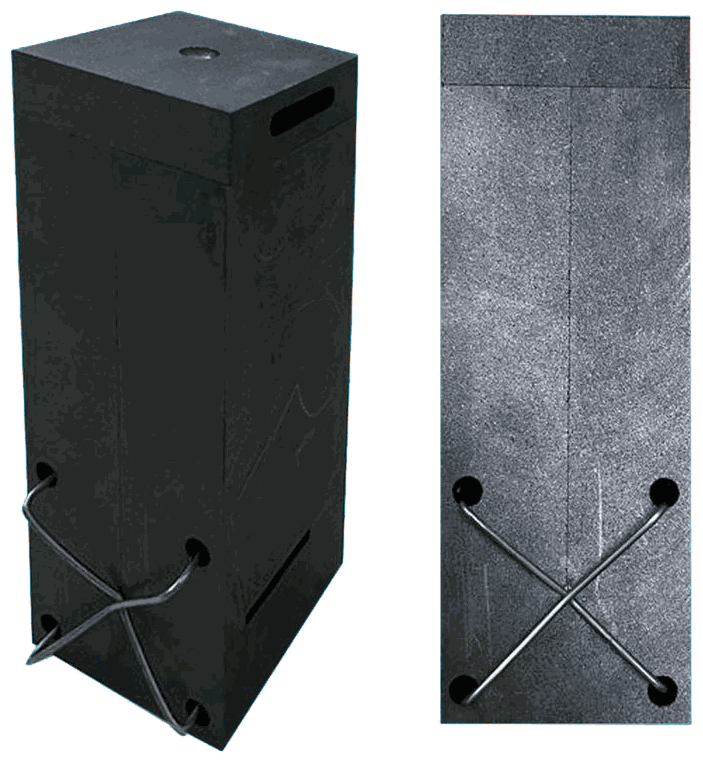
Exothermic welding forms a permanent, low-resistance molecular bond between conductors in earthing and lightning protection systems. This page covers the two items the process needs on site: the high-density graphite mould and the thermite weld powder.
Supplied products. Everything on this page is made by other manufacturers and supplied by Ashima Electrotech.
Supplied by Ashima Electrotech
Exothermic welding system
Ignited inside a graphite mould, the thermite powder generates molten copper that flows around the conductors and forms a permanent, low-resistance molecular bond.
Full description
The mould is precision-machined from high-purity graphite and withstands extreme temperatures and thermal cycling, giving clean weld cavities across repeated use. The powder is a thermite mixture that, once ignited, produces a joint stronger than the conductors it connects.
- Mould material
- High-purity graphite
- Cavities
- Single or multi-cavity
- Weld metal
- Molten copper
- Conductors
- Rod, cable, busbar
- Joint
- Permanent, maintenance-free
-
Step 01
Graphite mould
Precision-machined high-purity graphite, reusable, in single or multi-cavity configurations matched to the joint.
-
Step 02
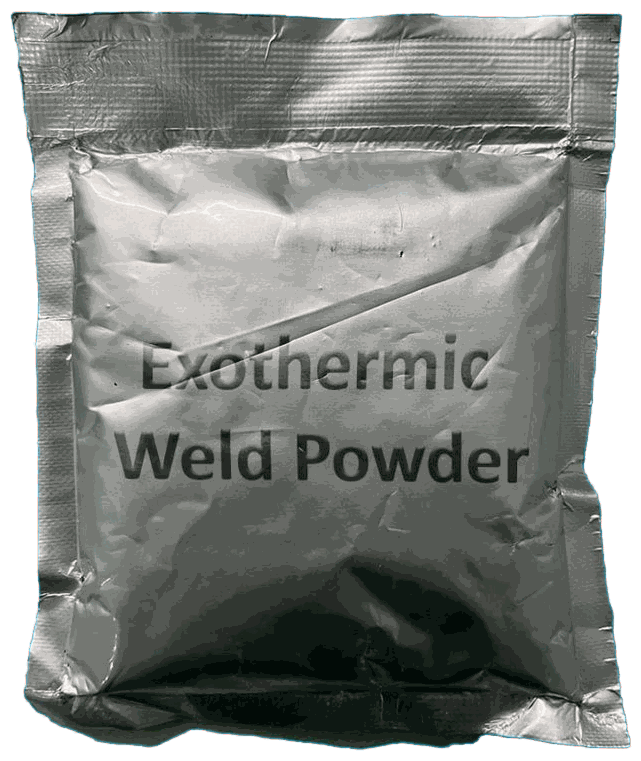
Weld powder
A thermite mixture ignited inside the mould; it generates molten copper that flows around the conductors.
-
Step 03
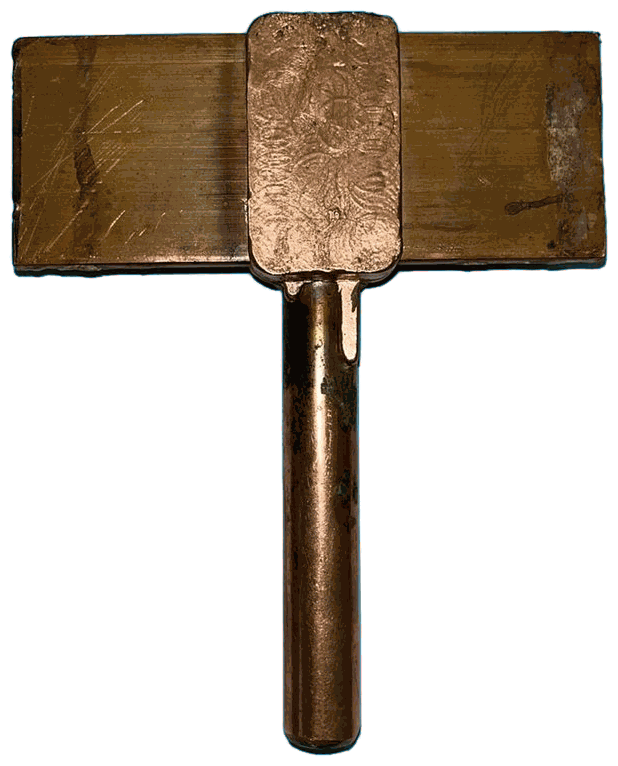
Finished joint
The cooled joint is a molecular bond, not a clamp — no contact resistance to rise and no fastener to loosen.
Supplied by Ashima Electrotech
Connection types
The mould cavity sets the joint geometry; the copper T-connector joins a copper busbar or strip to a copper rod without a mechanical clamp.
Full description
Formed by the exothermic reaction rather than clamped, the joint carries current through a molecular bond between the two copper sections. It withstands soil and outdoor conditions and is used in substations, railways, telecom towers and industrial electrical installations.
- Joint type
- Tee
- Conductors
- Copper busbar or strip
- Joined to
- Copper rod
- Bond
- Molecular, not mechanical
- Other geometries
- On enquiry
What to send us
A mould is cut for one joint geometry and one pair of conductor sizes. Both are needed before it can be quoted. Send these with the quantity and delivery city and we will quote.
- 01 Joint geometry Tee / cross / splice
- 02 Conductor A size mm
- 03 Conductor B size mm
- 04 Conductor materials Cu / GI
- 05 Number of joints on site count
- 06 Powder charge size g